Showing posts with label Screening Tests. Show all posts

Friday, November 23, 2007

Genetic Screening For Breast and Ovarian Cancer

Mutations in BRCA1 and BRCA2 genes are the most common causes of genetic predisposition to breast and ovarian cancer. A screening test is available , but who should be tested and what can be done if you test positive?

The US Preventive Services Task Force recommends BRCA testing for women in the following groups.

For Ashkenazis, a woman who has:
  • Any first degree relative (siblings, parents, daughters/sons) with breast or ovarian cancer
  • Two second degree relatives (grandparents, grandchildren, aunts/uncles, nieces/nephews, half-siblings) with breast or ovarian cancer

For Non-Ashkenazi, a woman who has:

  • Two first degree relatives with breast cancer
  • Three or more first- or second- degree relatives with breast cancer
  • Both breast cancer and ovarian cancer among first- and second- degree relatives
  • A first degree relative with bilateral breast cancer
  • Two or more first- or second- degree relatives with ovarian cancer
  • A male relative with breast cancer

Women with no family history of either breast or ovarian cancer are not recommended to be tested.

If BRCA1 mutation is detected, there is a 57% chance of developing breast cancer and a 40% chance of developing ovarian cancer before the age of 70. If BRCA2 mutation is detected, then there is a 49% and 18% chance of developing the respective malignancies.

According to the American Cancer Society guidelines, women who test positive for BRCA mutation should consider breast and gynecological exams every 6 months. Annual MRI of breasts which have a sensitivity of 75% for detection of breast cancer are recommended starting at age 30. A mammogram is not recommended before age 35 due to concern that ionizing radiation may induce malignant changes in BRCA carriers. The combination of MRI, mammogram, and breast ultrasound increases the sensitivity of detection to 95%.

Although it may be a difficult decision, surgical options should be considered for more definitive cancer risk reduction. A bilateral mastectomy (breast removal) reduces the risk of breast cancer by 90%. A bilateral salpingo-oopherectomy (ovary and tube removal ) reduces the risk of ovarian cancer by 80% and breast cancer is reduced by 50%.

References: The Medical Letter, Vol 49, Issue 1274, November 19, 2007. Also see above links.

Tuesday, November 21, 2006

Colonoscopy to Detect Colon Cancer

Colorectal cancer is second only to lung cancer as the most common cause of cancer death. While many cancers are difficult to screen or prevent, colon cancer can be easily detected in its early stages by a colonoscopy. The American Cancer Society recommends that beginning at age 50 a colon cancer screening test should be done. If there is a family history of colorectal cancer in a first degree relative, then the test may need to be done sooner than age 50, usually about 10 years before the age of diagnosis of the family member. For details of the recommendations see here.

There are several colon cancer screening tests that are available. My preferences and the standard of care in my community are to do the following tests:
--Fecal occult blood tests every year. A card is given to the patient and the test is done at home.
--Colonoscopy may be the most effective screening test for colon cancer. It is recommended every 10 years if the initial colonoscopy is normal. For a first hand personal experience of the procedure by a blogger read here.

Other tests which are also available and recommended by ACS, but which I do not suggest for my patients are:
--Flexible sigmoidoscopy every 5 years. This tool examines the lower 60 cm of the large intestines. However, it may miss cancers that are higher up in the intestine.
--Double-contrast barium enema every 5 years. A chalky substance, barium, and air is inserted into the large intestine and then xrays are taken. This test can be painful and exposes you to some radiation without giving the operator of the procedure a chance to remove a suspicious lesion or polyp if seen. If any abnormalities are seen with either of these procedures, a colonoscopy would then be indicated.
--Virtual colonosocpy is still under investigation. It allows visualization without access to the polyp for removal.

"Bottom" line: colonoscopy is still considered the gold standard for detection of colon cancer. If you have concerns regarding the procedure discuss it with your doctor. And remember like most things in life, the anticipation is worse than the deed.

References: please see specific links.

Wednesday, September 13, 2006

New Recommendations for HIV Testing

In the past HIV (human immunodefeciency virus) testing was recommended for patients who were considered to be at high risk or who lived in high HIV prevalence areas. Current recommendations as of 2005, however, are to do routine, voluntary testing -- which is not risk-based -- as part of general health maintenance.

Primary care doctors should consider HIV testing every 1-2 years for any sexually active patient even if they have had the same partner during that time. If someone has changed partners, then the screening should be done once a year.

Routine HIV screening is considered to be as cost effective as colonoscopies, smoking cessation programs, and Hepatitis B virus vaccination. In addition early diagnosis of HIV allows for a higher life-expectancy and possibly a lower transmission rate. An additional benefit: routine screening may reduce the stigma that is associated with HIV testing.

"Currently, an estimated one in four HIV-infected individuals do not know they are infected and, consequently, are not receiving the care, treatment, and prevention services they need to stay healthy and to protect their partners. "

See HIV Testing Resources to help find a testing center near you.

References:
Clinical Infectious Diseases, Volume 40 (2005), 1037-1040.
NEJM, Volume 352 (2005), 570-585.
MMWR June 27, 2003 / 52(25);581-586.


To read this in Farsi please click here.

Thursday, August 10, 2006

Testicular Examination


This is the look that I often get, when I say, "Next we need to do a testicular exam." Since my previous blog covered pap smears, it's only fair to give the guys equal time.

Testicular cancer is the most common solid tumor in men 15 to 35 years old. It accounts for 20 percent of cancer diagnosed in this age group. The risk increases if there is a family history of testicular cancer, an undescended testicle in childhood, or HIV.

It often presents as a painless, firm mass in the testicles which is found either by the physician or by the patient or by his partner. An early discovery of the cancer improves the chance of cure. There is some debate over this topic, but many health professionals recommend that men 15 to 40 years old do a self examination of the testicles once a month.

A self examination is done by placing the index and middle fingers under the testicle with the thumbs placed on top. Roll each testicle gently between the thumbs and fingers. There is a good description of the exam on the Testicular Cancer Resource Center site.

If any lumps are found then you should contact your doctor.

References: please see specific links.

To read in Farsi, click here.

Photo: courtesy of jessejames.

Tuesday, August 08, 2006

When Are You Due for Your Pap Test?


The first Pap test for cervical cancer screening is recommended to be done 3 years after the onset of vaginal intercourse and no later than age 21. The American Cancer Society (ACS), American College of Gynecologists (ACOG) and the U.S. Preventive Services Task Force (USPSTF) agree on this. This one is easy (except for all the acronyms).

There is disagreement however regarding the recommendations for the intervals of testing and for when the tests should be stopped. You may wish to discuss the pros and cons of each recommendation with your doctor to see which one is right for you.

ACS suggests: Pap tests every 1-2 years until the age of 30. After age 30, combine the Pap test with HPV (human papilloma virus) testing which is done at the same time as the Pap. If both are negative, then repeat every 3 years. If Pap is negative but HPV is positive then repeat every 6-12 months. Stop Pap tests in patients who are 70 years or older who have had at least 3 consecutive normal tests.

ACOG suggests: Pap tests every year until the age of 30, and the same as ACS for women after the age of 30. Stopping the Pap test is determined on a case by case basis.

USPSTF suggests: Pap tests every 3 years, and to stop at age 65 if there have been normal recent Paps. They do not have recommendations for or against routine HPV testing.

Clarification: A Pap test is done to detect cervical cancer. If sexual activity has started and there is a need for screening for sexually transmitted diseases then a pelvic exam (which doesn't necessarily involve a Pap test) should be done earlier than the recommendations for a Pap test.

To get automatic email reminders for your Pap test go to www.MyHealthTestReminder.com.

References: please see specific links.

To read in Farsi, click here.

Sunday, July 30, 2006

New Medical Recommendations.

Recommendations change as new data emerges. Here are some of the new recommendations made over the last year which doctors should consider and patients may want to note.

NO LONGER RECOMMENDED:

NOW RECOMMENDED:

Human papilloma virus vaccine will be addressed in a separate blog in more detail.

References: Annals of Internal Medicine, July 4, 2006. See links for specific references for each recommendation.

Thursday, May 18, 2006

Herpes, To Test or Not To Test

Recently some new tests for herpes have become available which are both helpful and confusing. I would like to review the indications for testing after a brief review of herpes.
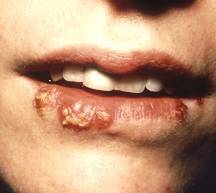
Type 1 Herpes Simples virus (HSV-1) is responsible for most oral herpes commonly known as cold sores, but it can also cause genital ulcers.
Type 2 Herpes (HSV-2) is responsible for 85% of genital herpes. HSV-2 is the most prevalent sexually transmitted disease (STD) in the United States. 45-60 million people, 1 out of 5 Americans, live with this infection. There are 1 million new cases each year. About 25% of the US population aged 25-45 years old has been exposed to HSV-2 compared to 90% of the population exposed to HSV-1.

Signs and symptoms vary. The classic finding is a cluster of tender blisters which turn into shallow ulcers. The first episode is usually the most severe and may be associated with symptoms such as fever. A culture of these lesions is the gold standard to establish the diagnosis.

A variety of triggers such as stress, fatigue, mechanical irritation, and menstruation can cause the symptoms to recur. Recurrent symptoms are usually milder than the first episode, but the psychological impact of the disease can be severe. Depression and anxiety from fear of recurrent attacks or transmission to current or potential partners are not uncommon. The infection may be transmitted even when there are no symptoms. This is called asymptomatic shedding which occurs in nearly all infected individuals. Condoms help protect against herpes but they are not 100% effective.

So what about testing ? HSV type specific serological (blood) tests are now available, however, the test is NOT recommended for routine screening in the general population. Who may be considered for the test? According to the 2003 California STD Controllers Guidelines, HSV-2 serology may be used in this group but mostly if it will impact behavior.

--Asymptomatic partners of HSV-2 positive patients.
--Diagnosis of atypical genital lesions.
--Screening of high risk behavior patients.
--Selected pregnant patients.
--Asymptomatic HIV positive patients.

As an aside for the docs, IgM testing is not recommended.

Treatment is available which can reduce the severity of the disease, the number of recurrences and the transmission risk to partners. However, there is no cure. Vaccine trials are underway. Herpevac is one of the many under investigation.

Resources for patients with HSV: National Herpes Hotline (916-361-8488), American Herpes Foundation (201-342-4441), American Social Health Association ( 919-361-8400), and social web sites .

References:2003 California STD Controllers Association Guidelines. Shedding in the absence of lesions. Wald A et al. N England Journal of Medicine. 2000;342:845-850. Managing patients with genital herpes and their sexual partners. Patel, Rompalo. Infect Dis Clin Norht Am 2005;19(2):427-38, x. Tracking the Hidden Epidemics, Herpes. Dr. Huyen Cao, Director of International Cellular Immunology, California Department of Health Services.
Photo courtesy of: Worried.