Last week I started to write about diabetes, it's prevalence, symptoms, and complications. My last word on diabetes is on the American Diabetes Association's new recommendations for adults with diabetes.
There are several classes of agents which can be used to treat diabetes. These medications are complex and need to be discussed with your doctor. The two newest treatments that are available are an inhaled form of insulin known as Exubera and a new injectable class of diabetes medication called exenatide (Byetta).
Regardless of the types of medications that may be used the goals of treatment are the same for most patients. Here is a summary of the 2006 recommendations for goals for diabetic patients:
Hemoglobin A1C(a marker of blood sugar level for the last 2-3 months): less than 7 percent. This should be monitored every 6 months if the goal is met and every 3-4 months if it is not in ideal range.
Blood Pressure: should be less than 130/80 mm Hg. It should be checked at each doctor visit.
Finger stick testing glucose level (2 hours after meals): less than 180 mg per dL (10 mmol per L).
Fingerstick tsting before meals: 90-130 mg per dL (5.0-7.2 mmol oer L).
HDL cholesterol (the good cholesterol that protects against heart disease): greater than 40 mg per dL (1.05 mmol per L).
LDL cholesterol (the bad cholesterol that contributes to heart disease and stroke) : less than 100 mg per dL (2.60 mmol per L).
Triglycerides (another kind of fat that is measured in the blood): less than 150 mg per dl (1.70 mmol per L).
Other recommendations include increased physical activity, weight control, diabetes self management education and monitoring and preventing any of the complications of the diabetes.
Diabetes is a complicated disease which has reached epidemic proprotions. The extent and impact of this disease which can be devastating in terms of health and economic cost may be reduced significantly with the education of the public, the health workers, and policy makers. Wehther we live in the high technology area of Silicon Valley or in the remote corners of India or Africa, in one way or another we will be affected by this disease. I hope that campaigns such as Unite for diabetes, and World Diabetes Day on November 14 will succeed in increasing global awareness of diabetes.
Showing posts with label Diabetes. Show all posts
Showing posts with label Diabetes. Show all posts
Sunday, November 12, 2006


Wednesday, November 08, 2006
Diabetes Related Health Problems
A blogger asks an excellent question, " my dad has diabetes. His GP told him that people with diabetes are three times more likely to die of or get heart disease. His doctor is of the belief that the moment you are dx then that's it - Diabetes by itself raises your chances threefold even if you keep your BSLs under good control or within normal range. My dad is quite fit (tons of exercise) and has a healthy weight (due to a very healthy diet and of course exercise). Why is he at more risk for heart disease than the next person?"
I'm sorry that this may not be comforting, but diabetes increases the risk for a variety of diseases.
I'm sorry that this may not be comforting, but diabetes increases the risk for a variety of diseases.
- Heart disease and Stroke - Diabetics have a 2-4 times higher risk of heart disease than adults without diabetes. Other than sugar levels, there are changes in the vascular walls at the cellular level which may cause the higher risk. Certainly exercise and proper nutrition may help reduce the rate of heart attacks and stroke, but they may not eliminate the risk of heart disease completely because diabetes is a complex disease which impacts our health beyond what we measure in the sugar level. 65% of deaths among diabetics are due to heart disease and stroke. We do not know the cause of diabetes type 1 or type 2 and so we do not have a complete understanding of all of the pathological changes that occur as a result of having diabetes.
- High blood pressure - 70% of adults with diabetes have high blood pressure.
- Blindness - Diabetes is the leading cause of new cases of blindness in adults aged 20-74 years old in the US.
- Kidney disease - Diabetes is also the leading cause of kidney failure in the U.S. High blood pressure is the second most common cause.
- Nervous system disorders - At least 60% of diabetic adults have nerve problems such as pain or numbness in feet or hands, or a delayed emptying of the stomach after eating.
- Amputations - Diabetes accounts for 60% of nontraumatic lower extremity applications.
- Dental disease - Almost 30% of diabetics have severe gum disease.
- pregnancy complications - Birth defects and miscarriages occur if blood sugar is not controlled in the first trimester.
- Infections - there is a higher susceptibility to infections such as pneumonia and influenza.
However, it is not all bad news in that many of these complications can be prevented or delayed with appropriate medical care, lifestyle changes, and by controlling blood glucose levels . Preventive services and education of the patients and health care workers are the keys to success in the management of this disease.
References: MMWR 2000. Annals of Internal Medicine 2004. CDC 2003. Heart disease and diabetes. Mayo Clinic.
Related links: Every 10 seconds. World diabetes day. Unite for diabetes. National Diabetes Education Program. Am I at risk for type 2 diabetes.
Monday, November 06, 2006
What is Your Diagnosis?

This fellow however with
has had a twice confirmed fasting blood glucose (sugar) level of 140 mg/dl. Unfortunately he has not been aware of his blood sugar because he has been too busy with work to go see a doctor. His favorite activity is sitting to watch a weekend James Bond marathon movie while eating nachos with cheese and washing it down with a mega super sized slurpy. However, he can never sit through the movie because he has to run out and pee like a storm.
Diabetes type 2, unlike type 1, can be present for a long time without presenting with any of the above symptoms. The onset of the symptoms may be gradual unlike the symptoms of hypoglycemia or type 1 diabetes. It is important to diagnose diabetes early so to be able to control the sugar levels earlier to avoid or to delay the progression of damage to other organs.
Related links: emedicine . Every 10 seconds. Sweet Resolution.
Photo: courtesy of maverick.sdstate.edu , myhometownpharmacy.


Sunday, November 05, 2006
Monday Morning Pop Quiz
You have diabetes if the blood glucose (sugar) level is
A. above 125 mg/dl (milligram/deciliter) when you have been fasting for 8 hours.
B. above 200 mg/dl on a random check regardless of when food has been consumed.
C. between 100 mg/dl and 125 mg/dl.
D. A and B.
E. All of the above.
The answer is D.
C is defined as pre-diabetes. Lifestyle modifications are crucial in preventing the progression of pre-diabetes to diabetes.
A normal sugar level is between 65 mg/dl-99 mg/dl.
Do you know what your sugar level is?
It is estimated that one third of the people with diabetes do not know that they have it. A blood test is a simple way to check your sugar level. A screening test is especially recommended for any one with a family history of diabetes or with hypertension, high cholesterol levels, or with obesity.
Reference: Annals of Internal Medicine, 2004.
Thursday, November 02, 2006
What is Diabetes?
Diabetes is a group of diseases in which the body's glucose (sugar) level is too high as a result of a disturbance in the production or metabolism of insulin.
In type 1 diabetes, the body is unable to produce insulin. The pancreatic cells which produce insulin are destroyed by the body's immune system. The cause is unknown. Insulin is needed to help the body use glucose for energy. These patients have to take insulin to survive. This is usually diagnosed in children and adolescents. Unlike type 2 diabetes the prevalence of this form of diabetes has not been on the rise.
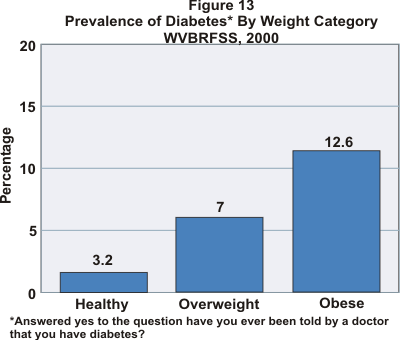
Type 2 diabetes is the most common type of diabetes. In these patients either too little insulin is produced or there is resistance to the effects of the insulin so that the insulin cannot be fully effecive. Although the cause is unknown, there are multiple risk factors that relate to the development of type 2 diabetes. These include a family history, age, a sedentary lifestyle and obesity. Modifying these risk factors has been shown to either prevent or slow down the progression of diabetes. Certain ethnicites such as Hispanics, African-Americans, American Indians, Alaska natives and South Asians are also at higher risk.
Gestational diabetes is a form of diabetes that occurs in some women during pregnancy. This may resolve after the pregnancy ends, but these women have a 20-50% risk of developing diabetes in the next 5-10 years.
Related links: Diabetes Tutorial. Unite for Diabetes. Sweet Resolution. Every 10 Seconds.
References: National Diabetes Fact Sheet. Diabetes Prevention Program.
Photo: courtesy of biomed.brown.edu.
In type 1 diabetes, the body is unable to produce insulin. The pancreatic cells which produce insulin are destroyed by the body's immune system. The cause is unknown. Insulin is needed to help the body use glucose for energy. These patients have to take insulin to survive. This is usually diagnosed in children and adolescents. Unlike type 2 diabetes the prevalence of this form of diabetes has not been on the rise.
Type 2 diabetes is the most common type of diabetes. In these patients either too little insulin is produced or there is resistance to the effects of the insulin so that the insulin cannot be fully effecive. Although the cause is unknown, there are multiple risk factors that relate to the development of type 2 diabetes. These include a family history, age, a sedentary lifestyle and obesity. Modifying these risk factors has been shown to either prevent or slow down the progression of diabetes. Certain ethnicites such as Hispanics, African-Americans, American Indians, Alaska natives and South Asians are also at higher risk.



Gestational diabetes is a form of diabetes that occurs in some women during pregnancy. This may resolve after the pregnancy ends, but these women have a 20-50% risk of developing diabetes in the next 5-10 years.
Related links: Diabetes Tutorial. Unite for Diabetes. Sweet Resolution. Every 10 Seconds.
References: National Diabetes Fact Sheet. Diabetes Prevention Program.
Photo: courtesy of biomed.brown.edu.

Tuesday, October 31, 2006
Diabetes, an Underestimated Epidemic

Gauden Galea's simple request is that I write about diabetes to generate interest in a proposed United Nations Resolution for Diabetes which is being run by the International Diabetes Federation. This is a timely request. If it's passed, this will be the first chronic non-infectious disease that will be highlighted by the United Nations.
Why is this important?
Diabetes is a global disease that is increasing in numbers in both the developed and the developing countries. Its growth is due to population growth, longer life expectancies, and increasing prevalence of obesity and physical inactivity. The cost of this disease in terms of human life and resources will be staggering. Diabetes is one of the 5 leading causes of death in most countries. Complications associated with diabetes include heart disease, stroke, kidney disease, blindness, nervous system disorders, and amputations.
In 2007, the world will likely spend between $215 billion and $375 billion on the medical care costs of diabetes and its complications, according to the IDF. The total number of people with diabetes is projected to rise from 171 million in 2000 to 366 million in 2030. The graph above depicts the increase in diagnosed cases of diabetes in the United States alone up to 1994. During 1990 to 1998, the prevalence of diabetes in adults in the U.S. increased by 33%, and the numbers are continuing to climb.
The five countries with the largest numbers of people with diabetes are India (35.5 million), China (23.8 million), the United States (16 million), Russia (9.7 million) and Japan (6.7 million), according to 2003 data from the ID. By 2025 the number of people with diabetes is expected to more than double in Africa, the Eastern Mediterranean and Middle East, and Southeast Asia, according to the group. Many of the people who have the disease don't even know that they have it, while others think of it as a "little sugar problem".
Technically the term epidemic applies to infectious diseases. Although diabetes is not infectious, unfortunately, many of the lifestyle factors which contribute to it have spread from the west to the developing countries. These countries will carry an even larger burden of the cost of the disease due to a lower number of health resources. Since behavioral and environmental factors play a significant role in the prevention and management of this disease, the benefit of making the public and policy makers aware of this condition will be significant in saving lives and resources.
Please note that these data apply to type 2 diabetes which is the most common type accounting for 90 - 95% of the cases and not to type 1. The difference will be discussed in future posts. Diabetes is too complex a disease to cover in one post. In honor of November being Diabetes Awareness Month, I will dedicate the next few posts to diabetes.
References: Diabetes Care 2004. Diabetes Care, 2000. Medscape. Applesfor health. Diabetes, A National Plan for Action.
Subscribe to:
Posts (Atom)