Showing posts with label Vitamins/etc.. Show all posts
Showing posts with label Vitamins/etc.. Show all posts
Friday, February 01, 2008
Folate Reduces Premature Births
A new study concludes that women who take folic acid (folate) for one year reduce their risk of giving birth to premature babies by 50 to 70 percent. The recommended dose is 400 micrograms per day. Since more than one half of women who become pregnant have not planned their pregnancies, it is recommended that all women of child-bearing age take this supplement.


Monday, March 12, 2007
Can Stress Fractures be Prevented with Calcium/Vitamin D Supplementation

Stress fractures are tiny cracks which occur in the bones as a result of overuse or increased physical activity. These painful fractures usually occur in the lower extremities-the feet and the shin bones. They are are more common in women athletes.
 A recent study looked at more than 5000 female U.S. Navy recruits, 17 to 35 years old during their eight weeks of training, and concluded that vitamin D and calcium supplementation may prevent stress fractures even when taken for a short duration of time.
The women were divided into 2 groups. One group received vitamin D 800 IU (international units) plus 2000mg calcium on a daily basis, and the other group received placebo pills. The group that received the supplements had 25 percent less incidence of stress fractures.
More research needs to be done to see if the results of this study can have further implications for athletes and the weekend warriors who exercise intermittently. Meanwhile other preventive measures include proper equipment and supportive shoes, increasing any exercise program gradually, and cross training to prevent repetitive stress injury.
References: please see specific links.
Photos: courtesy of Brigham and Women's Hospital.
Thursday, September 21, 2006
Supplements for Knee Pain
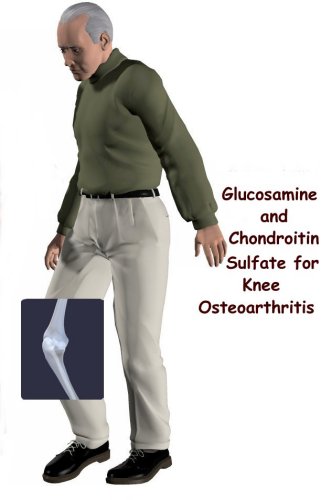 Glucosamine and chondroitin are two of the most popular supplements that are used for osteoarthritis and knee pain. Annual sales is estimated to be near $700 million, but do these supplements really work?
The evidence is a mixed bag of results. Some studies have shown that 3 years of therapy with glucosamine slowed progression of osteoarthritis as seen on xrays. The GAIT study showed that no benefit was seen in patients with mild pain, but that the pain was reduced significantly in patients who had moderate to severe pain and who received a combination of glucosamine plus chondroitin. (I received many phone calls from patients wanting to know if they shoud continue their supplements after the results of this study came out because it was not clear in the news reports that some patients did indeed benefit). Finally in a new study presented at the 10th World Congress of the Osteoarthritis Research Study it was concluded that 1500-mg daily dose of glucosamine relieved pain significantly better than a daily 3000 mg dose of acetominophen (Tylenol).
Bottom line is that since it is difficult to predict which patients will benefit from these supplements and since there is data to support their efficacy as well as their low side effect profile then it may be reasonable to consider a 3 to 6 months trial of a combination of these supplements in addition to exercise and physical therapy. If symptoms improve then consider continuing the supplements otherwise it may not be indicated to take them.
To read this in Farsi, click here.
References: please see specific links.
Photo: courtesy of eorthpod.com
Sunday, August 06, 2006
Fish Oil Capsules

Fish is probably not found on too many people's lists of their all time favorite foods. For this reason and also due to the concern of possible mercury contamination in fish, often fish oil capsules are substituted as a source of the omega-3 fatty acids in the diet. Here's what you should know about these supplements.
How much is recommended? The main nutrients in the supplements are EPA (eicosapentaeonic acid) and DHA (docosahexaenoic acid). To keep it simple we'll focus on the EPA. Look at your bottle's ingredients and see how much EPA (eicosapentaeonic acid) is contained in each pill. The recommendations are to take 1200 mg EPA per day.
Is any specific brand recommended more highly? Omacor is the only fish oil supplement approved by the FDA. It contains 465 mg EPA per pill. The USP (U.S. Pharmacopeia) -verified fish oil supplements such as Kirkland or Nature Made contain about 180 mg EPA per pill. Omacor is more expensive than the other supplements. There has not been any evidence of contamination with mercury in these products.
What is the benefit of omega-3 supplements? Recent studies have shown that these supplements can decrease the triglyceride level, and decrease the risk of major coronary events especially in those who are recovering from a recent heart attack. There have also been some reports which indicate the supplements may have a benefit in autoimmune diseases such as rheumatoid arthirits and psoriasis, and possibly even in depression. Although the data for the latter conditions is limited.
Are there any side effects? There has been some concern that they may trigger abnormal heart rhythyms in patients with chronic coronary disease. Other side effects include burping and indigestion, and a bad after taste. In large doses, bleeding time may be prolonged, but this has not shown to be of any clinical significance.
Does taking fish oil capsules reduce the chances of developing heart disease in an otherwise healthy person? Although eating fatty fish may be beneficial, there has been no evidence to show that a healthy person with out any of the above mentioned conditions may benefit from taking the supplements.
Reference: The Medical Letter, Volume 48, July 17, 2006. Please see links for specific references.
Photo: courtesy of dyslexia-parent.
Sunday, July 30, 2006
New Medical Recommendations.
Recommendations change as new data emerges. Here are some of the new recommendations made over the last year which doctors should consider and patients may want to note.
NO LONGER RECOMMENDED:
NO LONGER RECOMMENDED:
- High dose vitamin E (400IU/day or more).
- Low dose aspirin therapy to prevent heart disease in healthy women.
- Biphosphonates to prevent fractures in women with osteopenia. Osteopenia is bone loss which has not yet reached the level of osteoporosis. On a bone desity test, osteopenia is defined as a T-score between -1.5 and 2.4. Osteoporosis is defined as a score of -2.5 or greater. Biphosphonates are still recommended for osteoprosis. Examples of biphosphantes are Fosamax (alendronate), Actonel (risedronate), and Boniva (ibandronate).
- Beta blockers as first line treatments in patients with uncomplicated high blood pressure. Some beta blockers include medications such as Atenolol and Tenormin.
NOW RECOMMENDED:
- Vitamin D 800 IU per day plus calcium supplements for women at high risk for fracture.
- Zostavax varicella zoser virus (shingles) vaccine when available to immunocompetent patients who are 60 years or older.
- Ultrasound screening for abdominal aortic aneurysm in men 65 to 73 years old who are smokers or who have other risk factors.
- Routine HIV testing.
Human papilloma virus vaccine will be addressed in a separate blog in more detail.
References: Annals of Internal Medicine, July 4, 2006. See links for specific references for each recommendation.
Tuesday, June 13, 2006
Calcium Confusion Clarification
A long standing advice for women has been to take calcium supplements to reduce the risk of fractures. Recently there has been some confusion due to news reports that calcium may not help reduce the risk of fractures in osteoporotic women.
Unfortunately the details of the reported study were not clear in the media. An Australian study on calcium intake and osteoporosis recently concluded that their subjects (women who were 70 years and older) who were taking 1200 mg calcium for 5 years did not show any reduction in fracture risks. HOWEVER, (there's always a "but") when they looked at the women who actually took their calcium pills regularly, then among those women the risk of fracture was 10 percent compared to the 15 percent in the placebo takers. So calcium may help reduce the risk of fractures but only if you take it!
Bottom line: 1200 mg calcium is still recommended (1000 if you're 50 or younger), and medicine doesn't work if you don't take it. Please consult with your doctors before taking any medications or supplements.
Reference: Arch Inern. Med. 166:869, 2006.
Unfortunately the details of the reported study were not clear in the media. An Australian study on calcium intake and osteoporosis recently concluded that their subjects (women who were 70 years and older) who were taking 1200 mg calcium for 5 years did not show any reduction in fracture risks. HOWEVER, (there's always a "but") when they looked at the women who actually took their calcium pills regularly, then among those women the risk of fracture was 10 percent compared to the 15 percent in the placebo takers. So calcium may help reduce the risk of fractures but only if you take it!
Bottom line: 1200 mg calcium is still recommended (1000 if you're 50 or younger), and medicine doesn't work if you don't take it. Please consult with your doctors before taking any medications or supplements.
Reference: Arch Inern. Med. 166:869, 2006.
Subscribe to:
Posts (Atom)