Canker sores or aphthous ulcers are small, painful, shallow ulcerations that occur on the soft tissues inside the mouth. Stress or tissue injury is believed to contribute to the development of canker sores, although the actual cause is unknown. Other possible factors include immune system dysfunction, vitamin deficiencies such as B-12, zinc, folic acid or iron, disease of the gastrointestinal tract, food allergies, or hormonal changes such as menstrual periods. There can also be a hereditary predisposition to developing these sores. They are not contagious and normally resolve without any intervention in 10-14 days.
Occasionally these sores can be recurrent or large and complex. For these cases there are several treatment options. Dr. Nasim Fazel makes the following recommendations.
- Topical therapy - Steroid compounds such as flucinonide (Lidex) or clobetasol gel for lesions which are easily within reach or dexamethasone (Decadron) elixir (0.5 mg/5ml) to swish around in the mouth for lesions that are in the back of the throat.
- Systemic therapy - Several immune system modifying medications may be used for the more severe cases. These include prednisone either in a short term therapy of 40-80 mg every day for 4-5 days or a long term dosing regimen with gradual taper; pentoxifylline (Trental) 400 mg three times a day for at least 3-6 months and usually for 1 year; colchicine 0.6 mg 2 to 3 times a day, dapsone 100-200 mg daily or azathioprine (Imuran) 50 mg twice daily for 2 weeks. Each of these medications has its own set of side effects which should be weighed against the benefits.
- Pain control therapy - Zilactin which is an over the counter gel, sucralfate(Carafate) to provide a protective coating over the ulcer, or viscous lidocaine 2% to be taken about 20 minutes before meals to reduce the discomfort while eating.
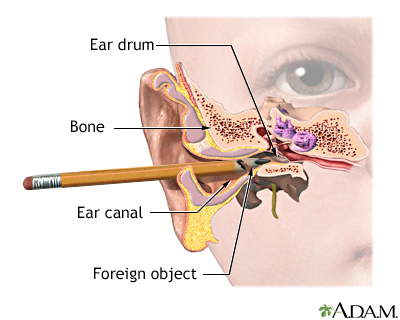
What ever option you chose, please don't do this.
Photo: courtesy of kidshealth.