One last thing on the flu. In a follow up to the previous post, our pediatric consultant, Dr. Janesta Noland, would like you to know that there is a new recommendation for flu vaccine for children.
The Advisory Committee on Immunization Practices (ACIP) unanimously voted at its winter meeting to expand recommendations for flu vaccinations to include children age 5-18 years. Previously, the vaccine was recommended for all children ages 6 months to 5 years as well as children of any age with high risk conditions such as asthma, cardiac disease or diabetes. Although the vote was unanimous, the decision about when it should go into effect was not. If practitioners were to implement the recommendation in the 2008-2009 influenza season, supplies of vaccine would likely be inadequate.
In the very youngest - children aged 6 to 23 months - vaccination prevents hospitalization in 74% of those who are fully immunized. (Of note, in children who do not receive the second dose of the vaccine, hospitalization is prevented in only 39%.) Although death or hospitalization is much less likely in healthy school-age children compared to younger children or children with high-risk conditions, 10-30% of children are afflicted with influenza illnesses annually which results in a large number of missed school days. And 5-7% of those aged 5-18 years visit the doctor for influenza each year and many receive antibiotics unnecessarily.
For parents to decide whether to vaccinate their children for influenza, they must weigh the likelihood of being infected with influenza, the predicted efficacy of the vaccine, risk of side effects of the vaccine, and the risk of going to the doctor, receiving antibiotics or missing school, or having more serious complications of flu resulting in hospitalization or death.
What About Thimerosal in Vaccines?
Thimerosal (a mercury-containing preservative) has been removed from nearly all pediatric vaccines because of concerns about a possible relationship between mercury and autism. These concerns could be the subject for a 12-volume dissertation so we will leave that for another discussion. It should be noted, however, that the current ACIP recommendations are that all children less than 36 months should receive thimerosal-free vaccine when supplies are adequate. Many pediatricians provide preservative-free vaccine exclusively, even for children older than 3 years. Ask your child’s doctor.
Showing posts with label Vaccines. Show all posts
Showing posts with label Vaccines. Show all posts
Sunday, April 27, 2008


Sunday, March 02, 2008
Travel Vaccines for Costa Rica
 It is best to plan ahead for healthy travel.
The following vaccines are recommended by CDC when traveling to the beautiful country of Costa Rica.
~Tetanus-diphtheria-pertussis (1 shot) if your last one was more than 10 years ago.
~Polio (1 shot) one time only needed as an adult.
~Measles (1 shot) if you have not had the disease or 2 doses of MMR(measles/mumps/rubella) vaccine. A blood test can also be done to see if you have had the vaccine. Please note that measles is a live vaccine and that it should not be given to pregnant women or to those with immunosuppression. Also women are advised not to get pregnant for 4 weeks after receiving the MMR.
~Typhoid (4 pills) which are taken 1 every other day, and will be good for 5 years OR (1 shot) which will be good for 2 years. It should be taken at least 2 weeks before the trip. Note that the pills should be refrigerated, and that this is also a live vaccine.
~Hepatitis A (2 shots) the first dose should be given 4 weeks prior to your trip to be maximally protected. You will need a second shot in 6-18 months to be protected long term.
~Hepatitis B (3 shots) 2 of which are given 4 weeks apart and the third is given in 6 months. You should complete the first 2 shots before departure. This is especially recommended if you might be exposed to blood or body fluids (for example, health-care workers), have sexual contact with the local population, or be exposed through medical treatment.
~ Chloroquine is the recommended antimalarial if you are going to Alajuela, Limón, Guanacaste, and Heredia provinces. No risk in Limón city (Puerto Limón). YES, this is recommended.
~Varicella or chicken pox vaccine (2 shots) if you have not had the disease or the vaccine.
~Rabies, I have not found this to be necessary for most routine travelers. Consider it if you may have extensive unprotected outdoor exposure in rural areas, such as might occur during camping, hiking, or bicycling, or engaging in certain occupational activities.
~Flu shot- the flu occurs year round in tropical regions.
~Ciprofloxacin (an antibiotic) in case of traveler's diarrhea. If diarrhea occurs and is lasting more than 24 hours or is associated with blood or fever then take one tablet of Cipro twice a day for 3 days.
Over the counter medications to consider depending on your needs:
Imodium for diarrhea.
Diphenhydramine(Benadryl) for allergic reactions, motion sickness, nausea, and as sleep aid.
Hydrocortisone for skin reactions.
Sudafed for congestion, especially if before a flight.
Acetominophen(Tylenol), Ibuprofen(Advil) or other anti-inflammatory medication.
DEET containing mosquito repellant.
Misconceptions about immunizations, for you non-believers :)
Photo: courtesy of nikkiartwork.

Wednesday, December 12, 2007
Canker Sores

Canker sores or aphthous ulcers are small, painful, shallow ulcerations that occur on the soft tissues inside the mouth. Stress or tissue injury is believed to contribute to the development of canker sores, although the actual cause is unknown. Other possible factors include immune system dysfunction, vitamin deficiencies such as B-12, zinc, folic acid or iron, disease of the gastrointestinal tract, food allergies, or hormonal changes such as menstrual periods. There can also be a hereditary predisposition to developing these sores. They are not contagious and normally resolve without any intervention in 10-14 days.

Occasionally these sores can be recurrent or large and complex. For these cases there are several treatment options. Dr. Nasim Fazel makes the following recommendations.
- Topical therapy - Steroid compounds such as flucinonide (Lidex) or clobetasol gel for lesions which are easily within reach or dexamethasone (Decadron) elixir (0.5 mg/5ml) to swish around in the mouth for lesions that are in the back of the throat.
- Systemic therapy - Several immune system modifying medications may be used for the more severe cases. These include prednisone either in a short term therapy of 40-80 mg every day for 4-5 days or a long term dosing regimen with gradual taper; pentoxifylline (Trental) 400 mg three times a day for at least 3-6 months and usually for 1 year; colchicine 0.6 mg 2 to 3 times a day, dapsone 100-200 mg daily or azathioprine (Imuran) 50 mg twice daily for 2 weeks. Each of these medications has its own set of side effects which should be weighed against the benefits.
- Pain control therapy - Zilactin which is an over the counter gel, sucralfate(Carafate) to provide a protective coating over the ulcer, or viscous lidocaine 2% to be taken about 20 minutes before meals to reduce the discomfort while eating.
What ever option you chose, please don't do this.
Photo: courtesy of kidshealth.

Saturday, November 03, 2007
Misconceptions About Immunizations
After many years of practicing medicine, there's not a lot that I hear in my office that surprises me. However, recently I met a patient who said that he had not received any of his vaccinations, not even the childhood ones. He was not from a remote corner of the world - he was from Santa Cruz California. It turns out his parents didn't believe in vaccines, and apparently this fear of vaccination is more common than I had realized.
Here are some clarifications of common misconceptions courtesy of Dr. Stephen Barrett which hopefully will help encourage proper health care for everyone. After all, even though many of you may be too young to remember it, where would we be without the polio vaccine.
Misconception #1: Because of better hygiene and sanitation, diseases had already begun to disappear before vaccines were introduced.
Misconception #2: The majority of people who get the disease have been immunized.
Misconception #3: There are hot lots of vaccine that have been associated with more adverse events and deaths than others. Parents should find the numbers of these lots and not allow their children to receive vaccines from them.
Misconception #4: Vaccines cause many harmful side effects, and even death—and may cause long-term effects we don't even know about.
Misconception #5: DTP vaccine causes sudden infant death syndrome (SIDS).
Misconception #6: Vaccine-preventable diseases have been virtually eliminated from the United States, so there is no need for my child to be vaccinated.
Misconception #7: Giving a child more than one vaccine at a time increases the risk of harmful side effects and can overload the immune system.
Misconception #8: There is no good reason to immunize against chickenpox (varicella) because it is a harmless disease.
Misconception #9: Vaccines cause autism.
Misconception #10: Hepatitis B vaccine causes chronic health problems, including multiple sclerosis.
Misconception #11: Thimerosal causes autism: Chelation therapy can cure it.
And while we're clearing up misconceptions, it should be noted that the flu "shot" does not cause the flu. The flu vaccine in the form of the nasal spray however is a live vaccine and may cause a mild case of runny nose and congestion.
Here are some clarifications of common misconceptions courtesy of Dr. Stephen Barrett which hopefully will help encourage proper health care for everyone. After all, even though many of you may be too young to remember it, where would we be without the polio vaccine.
Misconception #1: Because of better hygiene and sanitation, diseases had already begun to disappear before vaccines were introduced.
Misconception #2: The majority of people who get the disease have been immunized.
Misconception #3: There are hot lots of vaccine that have been associated with more adverse events and deaths than others. Parents should find the numbers of these lots and not allow their children to receive vaccines from them.
Misconception #4: Vaccines cause many harmful side effects, and even death—and may cause long-term effects we don't even know about.
Misconception #5: DTP vaccine causes sudden infant death syndrome (SIDS).
Misconception #6: Vaccine-preventable diseases have been virtually eliminated from the United States, so there is no need for my child to be vaccinated.
Misconception #7: Giving a child more than one vaccine at a time increases the risk of harmful side effects and can overload the immune system.
Misconception #8: There is no good reason to immunize against chickenpox (varicella) because it is a harmless disease.
Misconception #9: Vaccines cause autism.
Misconception #10: Hepatitis B vaccine causes chronic health problems, including multiple sclerosis.
Misconception #11: Thimerosal causes autism: Chelation therapy can cure it.
And while we're clearing up misconceptions, it should be noted that the flu "shot" does not cause the flu. The flu vaccine in the form of the nasal spray however is a live vaccine and may cause a mild case of runny nose and congestion.
Thursday, October 18, 2007
It's Time For Flu Vaccination
 The optimal time for influenza vaccination is from mid-October through November. However the vaccine may be given at any time until the end of the flu season which will be in April. Annual vaccination against influenza is the single most effective means of protection against the disease - 70-90% effective. It also reduces complications associated with the flu syndrome and helps protect those around you who are more frail and who are at higher risk of developing more severe cases of the disease. Each year in the US alone there are 20,000-36,000 deaths due to the flu.
The only new recommendation since this more detailed post of 2006 is that there has been a new California state law which mandates that pregnant women and children under 36 months should get the preservative free form of the flu shot. "Thimerosal, a preservative that contains a minute amount of mercury in compound form, is present in the standard flu vaccine (the classic "flu shot"). It is considered to be a safe vaccine component by the Center for Disease Control.
And in case you are still not convinced, you should know that it is expected to be a bad flu season this year. Australia had a several fold increase in flu cases earlier this year which usually is a good predictor of what is around the corner for us.
References: please see above links.
Image courtesy of: York Flu Clinic.
Wednesday, December 06, 2006
Travel Vaccines for Brazil
 Travel medications for Brazil are not dazzling but they can be confusing as the recommendations vary by the counties and regions. Malaria pills are not necessary for Sao Paulo. Yellow fever vaccine is also not required for Sao Paulo as long as you are traveling to Brazil from U.S/Europe and other areas which are not endemic for yellow fever. See chart below.
If you are going to Sao Paulo only then the following vaccinations are recommended by the Center for Disease Control.
-- Tetanus/pertussis/diphtheria (1 shot)--->if your last one was more than 10 years ago.
-- Measles (1 shot)--> one time booster if you were born after 1956 and if you cannot document that you are immune by having received either 2 doses of MMR(measles,mumps,rubella) vaccine, or by history of having had the disease. A blood test can also be done to see if you have had the vaccine. Please note that measles is a live vaccine and it should not be given to pregnant women or to those with immunosupression. Also women are advised not to get pregnant for 4 weeks after receiving the MMR.
----Typhoid ( 4 pills )--->which are taken 1 every other day, and will be good for 5 years. It should be taken at least 2 weeks before the trip. Note that these pills should be refrigerated and that this is also a live vaccine. OR 1 shot which is good for 2 years.
--Hepatitis A (2 shots)---> ideally the first dose should be given 4 weeks prior to your trip to be maximally protected. You will need a second shot in 6-12 months to be protected long term.
--Hepatitis B (3 shots)--> 2 of which are given 4 weeks apart and the third is given in 6 months. You should complete the first 2 shots before departure. This is especially recommended if you might be exposed to blood or body fluids (for example, health-care workers), have sexual contact with the local population, or be exposed through medical treatment. A combination shot of hepatitis A and B vaccine may be given instead of individual A and B shots. This follows the same schedule as hepatitis B shots.
--Ciprofloxacin or equivalent antibiotic to have just in case of traveler's diarrhea. If diarrhea occurs and is lasting more than 24 hours or is associated with blood or fever then take one tablet of Cipro twice a day for 3 days.
If you are going outside of Sao Paulo then it gets a little tricky. You will need all of the above vaccines, but in addition you will need the following:
--Malaria pills-- See Malaria Information for Tropical South America. The 2 most commonly prescribed malaria pills are the following but only one is needed:-Malarone(atovaquone and proguanil hydrochloride)---taken one a day starting one day before entering India and continuing every day until 7 days after you have left India. -Lariam (Mefloquine)--- taken one a week, starting one week before entering India and continuing for 4 weeks after leaving India. This is not recommended for people with depression. It has also been associated with vivid dreams.
--Yellow Fever Vaccine -- See Requirements. These vaccines must be given at certified yellow fever vaccination centers so they cannot be given on-site for those of you who are Googlers. Refer to this link to find a location near you.
Depending on your itinerary another vaccine to consider is Rabies, if you might have extensive unprotected outdoor exposure in rural areas, such as might occur during camping, hiking, or bicycling, or engaging in certain occupational activities.
Over the counter medications to consider depending on your needs:
--Imodium for diarrhea.
--Diphenhydramine(Benadryl) for allergic reactions, motion sickness, nausea, and as sleep aid.
--Hydrocortisone for skin reactions.
--Sudafed for congestion, especially if before a flight.
--Acetominophen(Tylenol), Ibuprofen(Advil) or other anti-inflammatory medication.
-- DEET containing mosquito repellant.
Additional information: see the Safe Food and Water page for a list of links.Please consult your doctors for any specific questions or if you are pregnant.And if you really want to avoid the vaccines then check with your doctor, parents, or your old records to see if any of your shots are documented and up to date.
Sunday, November 19, 2006
Shingles Vaccine


A new vaccine has been approved by the FDA for the prevention of shingles in persons who are 60 years or older.
Shingles is a painful disease caused by the latent manifestation of the herpes zoster virus (HZV). This is the same virus which causes chicken pox. Once the virus invades the body, it lives in a sensory nerve ending quietly. However, under certain circumstances the virus can reactivate and multiply causing a severe blistering painful rash. The pain known as postherpetic neuralgia (PHN) can last months to even years.


What does the vaccine do?
Several studies have shown that the vaccine boosts the weakened immunity against the virus. The Shingles Prevention Study followed more than 38,000 adults 60 years and older for 3 years. It concluded that the vaccine reduced the course and the level of pain by 61%.
Who should get the vaccine?
The vaccine is recommended for immunocompetent persons who are 60 years or older and who have had a history of chicken pox. If a history of chicken pox is unknown then a blood test can be done to confirm previous exposure to HZV. If the person has not had chicken pox then vaccination with Varivax is recommended. Varivax is a vaccine against HZV to prevent chicken pox (varicella). It has been used in the U.S. since 1995.
Who should not get the vaccine?
The vaccine is contraindicated in persons who are under 60 years old, who have not had chicken pox, or who are immunocompromised as with a malignancy or severe infection or undergoing treatment with chemotherapy or systemic corticosteroids. It is also not recommended for anyone who has had a severe allergic reaction to gelatin or neomycin.
What are the side effects of the vaccine?
The vaccine is considered safe over all. It may cause a rash, redness, itching, and soreness at the injection site.
How much does the vaccine cost?
The vaccine is given as a single shot subcutaneously, and it costs about $250.
As this is a new vaccine, it is not known how long the duration of the protection will last.
References: please see specific links.
Photos, courtesy of: Herpes Zoster and ecanadanow.

Sunday, October 22, 2006
Time for Flu Shots

It's the time of year to start rolling up your sleeves for the flu vaccine shot.
The flu season hits the northern hemisphere between October to May. In the southern hemisphere it's the other half of the year, and in the tropics, the flu season is present year round. "Annual immunization against influenza A and B is the most effective method of preventing infection".
Who should get a flu shot?
Generally, those wanting to reduce their chance of getting sick. It's especially recommended for the following high-risk groups:
- People aged 50 and older.
- Women who are or will be pregnant during the flu season.
- Adults and children 6 months and older with chronic heart, or lung conditions including asthma, metabolic diseases such as diabetes, chronic kidney disease, or weakened immune system such as with HIV or with medications, and any kind of brain or spinal cord disorders.
- Children 6 months to 18 years who are on long term aspirin therapy.
- All the contacts of people in these high-risk groups.
- All children 6-23 months was the recommendation in the past. This year the U.S. Advisory committee on Immunization Practices has broadened the age group to include all children 6-59 months, their household contacts and out-of-home care givers as well.
Who shouldn't get one?
- People with severe allergy to eggs.
- People who currently have a fever.
- Children less than 6 months old.
- People who have had Guillane Barre syndrome (a paralytic condition) within 6 weeks of getting a flu shot in the past.
When is the best time to get one?
It's optimal to get a shot in October or November (especially for the high-risk groups noted above), but you can also benefit in December or later.
What types of vaccines are there?
- A flu shot, (Fluvirin, Fluzone, Fluarix), is made from an inactivated vaccine, which contrary to popular belief cannot give you the flu.
- A flu nasal spray, (Flumist), is made from an attenuated live vaccine. Because this can theoretically cause transmission of the flu, it should only be given to healthy people ages 5-49 who are not pregnant, not healthcare workers, or contacts of anyone who is immuno-suppressed.
How soon will the vaccine take effect?
Effectiveness occurs within 2 weeks, the shot is fully effective, and usually the effect lasts for 6 months or longer. A protection rate of 50-80 percent is the norm.
Where is the flu vaccine given?
Other than your doctor's office, try Flu Clinic Locator to see where you might be able to get a shot.
References: The Medical Letter, Vol 48, Oct. 9, 2006. MMWR, Vol 55, July 28, 2006.
Thursday, October 12, 2006
Measles in Adults
 Measles is a highly infectious viral disease that is spread by respiratory droplets from coughs and sneezes, contact with the skin, or via objects with the live virus on them. 90% of susceptible individuals will get the disease if exposed. If any adult is exposed to measles then it is necessary to confirm that there has been appropriate vaccination of 2 doses of measles or MMR (measles/mumps/rubella) vaccine.
Generally any one 18 years of age or older who was born after 1956 should get at least one dose of the MMR vaccine unless they can show that they have had either the vaccines or the disease.
However, pregnant women and any patients with a life threatening allergic reaction to gelatin or neomycin or a previous dose of MMR should not receive the vaccine. Patients with HIV or other immunocompromised conditions should first check with their doctors before considering the vaccine. Women who have received the vaccine should not get pregnant for 4 weeks after receiving the vaccine. There may be some side effects with the vaccine.
Around 14 days after infection the following symptoms begin to appear:
--Cold-like symptoms, such as runny nose, watery eyes, swollen eyelids, and sneezing.
--Red eyes and sensitivity to light.
--A mild to severe temperature, which may peak over 38°C (100.4°F) for several days. After several days temperature may fall, but may go up again when the rash appears.
--Tiny greyish-white spots (called Koplik's spots) in the mouth and throat.
--Aches and pains.
--Dry cough.
--Red-brown spotty rash that appears 3-4 days after first symptoms and last for up to 7 days. The spots usually start behind the ears, spread around the head and neck and after 2-3 days to the legs and around the rest of the body. The spots start small but quickly get bigger and often join up together. Similar looking rashes may be mistaken for measles, but measles has a range of symptoms, not just a red rash.
There is no specific treatment.

Refereces: please see specific links.
Photos courtesy of: themicrobialworld, Northeast Valley General Practice.
Tuesday, August 01, 2006
Cervical Cancer Vaccine
 Most cases of cervical cancer in the world are caused by the human papilloma virus (HPV).. Recently the FDA (U.S. Food and Drug Administration) approved Gardasil, a vaccine against the HPV. CDC's National Immunization Program (NIP) and the federal Advisory Committee on Immunization Practices (ACIP) have recommended the HPV vaccine to be given to girls from 9 to 26 years old.
What is HPV ? HPV is a family of more than 100 types of viruses which may be transmitted sexually. At any time 20 million to 40 million Americans may be infected with HPV, and the incidence is increasing. Many cases of the infection may not show any symptoms and many may resolve spontaneously. However, some types of HPV may cause genital and anal warts and other types may cause cervical, anal or rectal cancer. The transition to cervical cancer may take 5-10 years. The condom is limited in preventing infection because it does not prevent all skin- to- skin contact during sex.
Who should receive the vaccine? Girls from 9 to 26 years old are recommended to receive the vaccine. The vaccine is most effective if it is given prior to infection by the virus. It does not protect against all types of HPV so routine Pap smears are still necessary (sorry ladies). The vaccine is given in 3 doses over a 6 month period (0, 2 and 6 months) and will cost about $360.00 total.
Is the vaccine safe? According to the FDA, "The safety of the vaccine was evaluated in approximately 11,000 individuals. Most adverse experiences in study participants who received Gardasil included mild or moderate local reactions, such as pain or tenderness at the site of injection." The vaccine can not infect you with the virus since it is a recombinant vaccine and not a live one.
How long will the vaccine last? It is unknown since this is a new vaccine but so far it has been effective up to 5 years. More data will emerge with time.
Is there a test for HPV? A test may be done during a Pap (Papinocalou) smear to detect the presence of HPV. This is recommended to be done in women 30 years or older if done for screening purposes because the prevalence of HPV is very high in younger women and often it may clear spontaneously.
Can the vaccine be given to men for protection against anal and genital warts and cancer? This is currently under investigation.
References: Center for Disease Control. Journal of the National Cancer Institute. Dr. Huyen Cao, Director of International Cellular Immunology, California Department of Health Services.
Photo: courtesy of wart resources.
Click here to read in Farsi.
Friday, July 28, 2006
Bird Flu Vaccine Update
A vaccine against H5N1 avian influenza virus may be available for mass production by 2007.
GlaxoSmithKline has made progress in this race by adding an additive to the vaccine that will help increase the immune system's response to a low amount of the antigen. The antigen is the active ingredient in a vaccine, and its production is a slow process. A challenge in developing the vaccine has not only been to create an active vaccine, but also to be able to supply the large number of people who may require it in a short period of time. This method maximizes production of the vaccine from a minimum amount of the antigen.
The GSK vaccine with two doses of 3.8 micrograms of the antigen was tested in 400 healthy adult volunteers in Belgium. A good immune response was seen in 80% of the subjects which meets the regulatory requirments. By contrast Sanofi-Aventis' vaccine had a 40% response rate with 15 mcg.
The cost of the vaccine is predicted to be about $7.00 per shot. According to the company, "The vaccine overall was tolerated well, and no serious adverse effects were reported."
It is too early to comment on its ability to protect against any mutation in the virus.
References: Science Daily . Center for Infectious Disease and Policy. Herald Tribune.
GlaxoSmithKline has made progress in this race by adding an additive to the vaccine that will help increase the immune system's response to a low amount of the antigen. The antigen is the active ingredient in a vaccine, and its production is a slow process. A challenge in developing the vaccine has not only been to create an active vaccine, but also to be able to supply the large number of people who may require it in a short period of time. This method maximizes production of the vaccine from a minimum amount of the antigen.
The GSK vaccine with two doses of 3.8 micrograms of the antigen was tested in 400 healthy adult volunteers in Belgium. A good immune response was seen in 80% of the subjects which meets the regulatory requirments. By contrast Sanofi-Aventis' vaccine had a 40% response rate with 15 mcg.
The cost of the vaccine is predicted to be about $7.00 per shot. According to the company, "The vaccine overall was tolerated well, and no serious adverse effects were reported."
It is too early to comment on its ability to protect against any mutation in the virus.
References: Science Daily . Center for Infectious Disease and Policy. Herald Tribune.
Friday, July 21, 2006
Going to Ghana?
Please don't be overwhelmed, but the the following is a summary of the vaccines and medications which are recommended for your trip. The more you know about your vaccination history, the less shots you may need to get.
- Tetanus/Diphtheria/Pertussis (1 shot)---if your last one was more than 10 years ago.
- Polio (1 shot) ---one time only needed as an adult.
- Measles, (1 shot)--- if you are born after 1957, and you have not had 2 doses of MMR(measles,mumps,rubella) . Please note that measles is a live vaccine and it should not be given to pregnant women or to those with immunosupression.
- Typhoid ( 4 pills)--- which are taken 1 every other day, and will be good for 5 years. If you have had a previous typhoid vaccination but in the form of a shot then that is only good for 2 years. Note that these pills should be refrigerated. This is also a live vaccine and should not be given to pregnant women or to those with immunosupression.
- Hepatitis A ( series of 2 shots) ---if you have never had the series. The first one should be given 4 weeks prior to your trip. You will need a second shot in 6-12 months to be protected long term.
- Hepatitis B---(a series of 3 shots ). The first 2 are given 4 weeks apart and the third is given in 6 months. You should get the first 2 shots before departure. This is especially recommended if you might be exposed to blood or body fluids (for example, health-care workers), have sexual contact with the local population, or be exposed through medical treatment.
- Hepatitis A/B combination shot may also be given. This follows the same schedule as hepatitis B shots.
- Meningitis vaccine (1 shot)---if you have not received one in the last 3 years.
- Yellow fever vaccine (1 shot)---if you have not had one in the last 10 years. This must be administered at a Certified Center.
- MALARIA PILLS, 2 most commonly prescribed are the following but only one is needed: MALARONE (atovaquone and proguanil hydrochloride)---taken one a day starting one day before entering the area and continue every day until 7 days after leaving the area.
LARIAM (Mefloquine)--- taken one a week, starting one week before entering India and continuing for 4 weeks after leaving India. This is not recommended for people with depression. It has also been associated with vivid dreams. - Ciprofloxacin in case of traveler's diarrhea. If diarrhea occurs and if it is lasting more than 24 hours or it is associated with blood or fever then take one tablet of Cipro twice a day for 3 days.
- Over the counter medications to consider depending on your needs are:
- Imodium for diarrhea.
- Diphenhydramine(Benadryl) for allergic reactions, motion sickness, and nausea.
- Hydrocortisone cream for skin reactions.
- Sudafed for congestion, especially if before a flight.
- Acetominophen(Tylenol), Ibuprofen(Advil) or other anti-inflammatory medication.
- DEET containing mosquito repellent.
- Consider DEET permeated clothing, and wearing long sleeves and pants when outside at dusk or dawn which are feeding times for mosquitos.
- See the Safe Food and Water page for a list of links.
Wednesday, March 29, 2006
Whooping Cough, Why Worry?
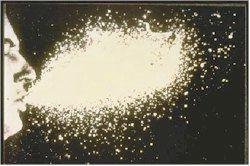
Whooping cough is a highly infectious respiratory illness caused by Bordetella pertussis, a known player in the infectious disease world since the 16th century. In its heyday it was responsible for at least 200,000 cases a year just in the United States. These cases were reduced significantly with the development of the vaccine in the 1940's. However, since the 1980's there has been a steady increase again with 9000 cases in 2002 , and 25,000 cases in 2004. The reason for this is unknown, but here's what you need to know.

--The diagnosis is very difficult to make, and it is mostly based on clinical exam and history (not labs) so pay attention to your symptoms which usually occur in 3 stages:
1. Catarrhal stage: 1-2 weeks of cold like symptoms with runny nose, congestion.
2. Paroxysmal stage: 1-6 weeks of severe, rapid coughing spells ending in a long
inspiratory effort with a high pitched whoop. Characteristically this cough ends with vomiting and exhaustion and it is usually worse at night as the lungs try to expel the thick mucus. The patient may appear normal between these attacks.
Hear how it sounds.
3. Convalescent stage: you finally get better in another 2-3 weeks.
--All adults 19 - 64 years old and especially those with infants should receive the new pertussis vaccine which is given as one shot in combination with the diphtheria/tetanus vaccine. It is not a live vaccine so there is no risk of getting the disease from the vaccine. It is considered safe and effective, however, its safety in pregnant women and in those over 65 has not yet been established. Teens 11 - 18 are also recommended to get the vaccine. The immunity from this vaccine is expected to last 6-10 years.
--All close contacts of a patient with whooping cough are recommended to be treated with Erythromycin or sulfamethoxazole-trimethoprim for 14 days.
--The patient should be isolated for 5 days after antibiotic therapy has started, and contact with infants should be completely avoided.
Please contact your doctor if you have any concerns.
References:
http://www.medem.com/
http://www.whoopingcough.net/
www.chestnet.org
http://www.cdc.gov/nip/vaccine/tdap/tdap_adult_recs.pdf
The Medical Letter on Drugs and Therapeutics, Volume 48 (Issue 1226), Jan 16, 2006.
Photo courtesy of duke.usask.ca
Wednesday, March 22, 2006
Travel Vaccine Recommendations for China

Please refer to the Travel Recommendations for India post. The recommendations are the same with the exception of the following two items:
1. Polio vaccine booster is not recommended.
2. Malaria pills are not needed for travelers to cities and popular tourist areas, including Yangtze River cruises, Hong Kong and Macau. Malaria prophylaxis is indicated for rural areas only of the following provinces: Hainan, Yunnan, Fuijan, Guangdong, Guangxi, Guizhou, Sichuan, Tibet (in the Zangbo River valley only), Anhui, Hubei, Hunan, Jiangsu, Jiangxi, and Shandong.
Image from: Institut de veille sanitaire (invs.sante.fr)
anaes.fr
Travel Vaccine Recommendations for India

Dear Googlers,
Before packing for the beautiful country of India please consider the following Center for Disease Control recommendations:
--Tetanus-diphtheria-pertussis (1 shot)--->if your last one was more than 10 years ago.
--Polio (1 shot)--> one time only needed as an adult.
--Measles (1 shot)-->one time booster if you were born after 1956 and if you cannot document that you are immune by haveing received either 2 doses of MMR (measles/mumps/rubella) vaccine or by history of having had the disease. A blood test can also be done to see if you have had the vaccine. Please note that measles is a live vaccine and that it should not be given to pregnant women or to those with immunosuppression. Also women are advised not to get pregnant for 4 weeks after receiving the MMR.
Typhoid (4 pills)--->which are taken 1 every other day, and will be good for 5 years. It should be taken at least 2 weeks before the trip. Note that these pills should be refrigerated, and that this is also a live vaccine.
Hepatitis A (2 shots) --->ideally the first dose should be given 4 weeks prior to your trip to be maximally protected. You will need a second shot in 6-12 months to be protected long term.
Hepatitis B (3 shots)---> 2 of which are given 4 weeks apart and the third is given in 6 months. You should complete the first 2 shots before departure. This is especially recommended if you might be exposed to blood or body fluids (for example, health-care workers), have sexual contact with the local population, or be exposed through medical treatment.
A combination shot of hepatitis A and B vaccines may ge given in 1 shot instead of individual A and B shots.
--Malaria Pills-- 2 most commonly prescribed are the following but only one is needed:
>Malarone(atovaquone and proguanil hydrochloride)---taken one a day starting one day before entering India and continuing every day until 7 days after you have left India.
>Lariam (Mefloquine)--- taken one a week, starting one week before entering India and continuing for 4 weeks after leaving India. This is not recommended for people with depression. It has also been associated with vivid dreams.
See Malaria Information for Travelers to South Asia.
Ciprofloxacin or equivalent antibiotic to have just in case of traveler's diarrhea. If diarrhea occurs and is lasting more than 24 hours or is associated with blood or fever then take one tablet of Cipro twice a day for 3 days.
Depending on your itinerary other vaccines to consider are:
Japanese encephalitis, if you plan to visit rural farming areas and under special circumstances, such as a known outbreak of Japanese encephalitis.
Rabies, if you might have extensive unprotected outdoor exposure in rural areas, such as might occur during camping, hiking, or bicycling, or engaging in certain occupational activities.
TB (tuberculosis) test should be considered after your trip especially if you visit India frequently or if you are staying there for one month or longer.
Over the counter medications to consider depending on your needs:
Imodium for diarrhea.
Diphenhydramine(Benadryl) for allergic reactions, motion sickness, nausea, and as sleep aid.
Hydrocortisone for skin reactions.
Sudafed for congestion, especially if before a flight.
Acetominophen(Tylenol), Ibuprofen(Advil) or other anti-inflammatory medication.
DEET containing mosquito repellant.
Additional information: see the Safe Food and Water page for a list of links. Consider DEET permeated clothing, and wearing long sleeves and pants when outside at dusk or dawn which are feeding times for mosquitos.
Please consult your doctors for any specific questions or if you are pregnant.
And if you really want to avoid the vaccines then check with your doctor, parents, or your old records to see if any of your shots are documented and up to date.
Photographer:Maurice Crosby Photography Ltd. Date:1955 Fonds/Collection:Maurice Crosby Reference no.:accession no. 1997-254/003, nos. 4-5
Subscribe to:
Posts (Atom)